
Knowing the Past – Preparing the Future
“Those who don’t know history are destined to repeat it”
– Edmund Burke
The Ship
The Titanic is one of the most luxurious passenger steamship liners operated by White Star Line and was thought to be the world’s fastest ship. As the largest movable manmade object in the world at that time, the proud sea captain, Edward John Smith, left an iconic message to the media, “Even God Himself couldn’t sink this ship.”
The Tragedy
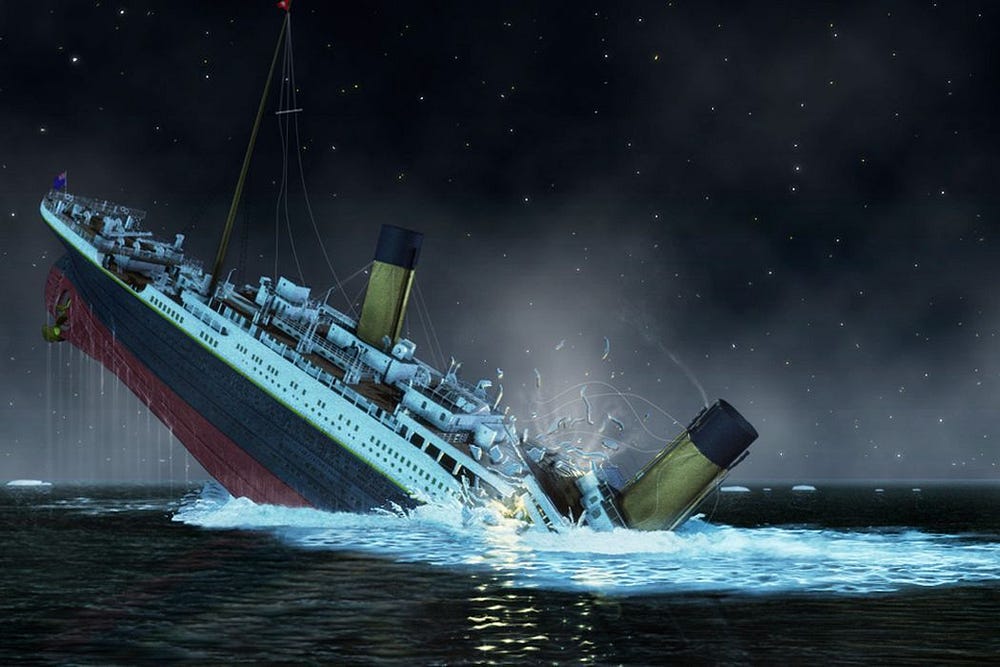
The Unsinkable Titanic Ship sunk on April 15, 1912, after failing to divert its course from an iceberg and rupturing at least five of its hull compartments.
The Survivors
From an open dataset provided in this link, below are some information about the tragedy:

Only 38.38% of the total passengers survived in the Titanic incident.
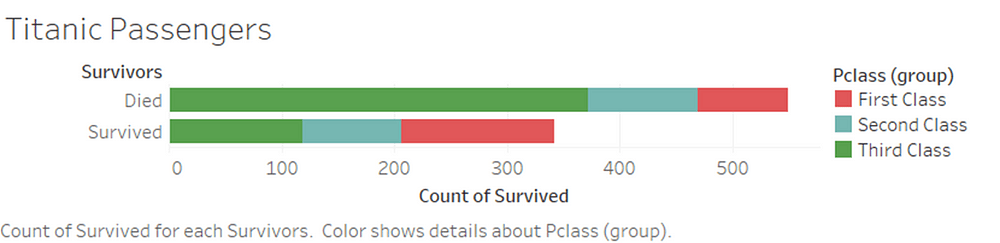
The majority of the passengers that did not survive came from third-class passengers who died which count is more than the total number of survivors.
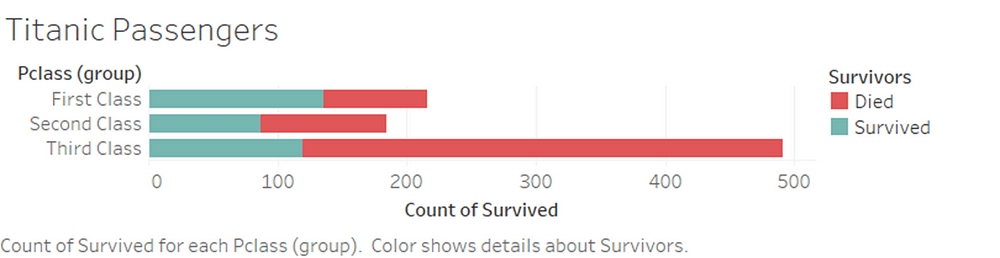
On the brighter side, 62.9% of the total first class passengers survived the tragedy, also a majority of the survivors came from first class.
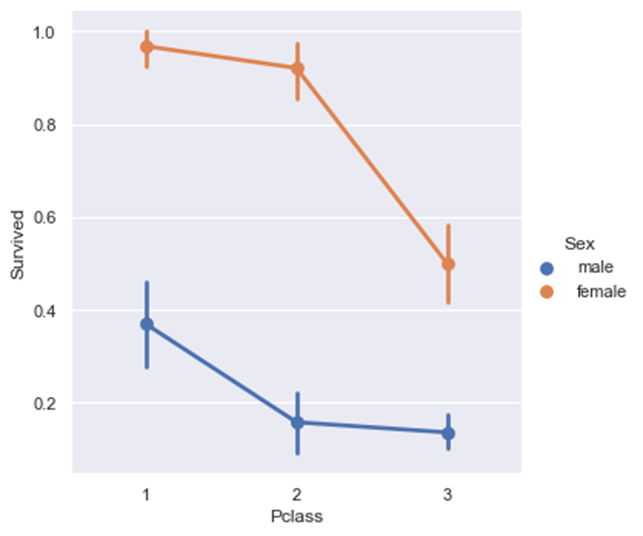
Regardless of gender, choosing the right class affects the chances of survival.
According to the study published in March 2010, entitled “Interaction of Natural Survival Instincts and Internalized Social Norms Exploring the Titanic and Lusitania disasters”, the crews of Titanic enforced the “Women and Child First” order. The reason why the data shows that Women had more chance of surviving Titanic than men.
The First Class and Survival

For a maximum luxurious experience, people tend to choose first class. Among all these benefits, the High Passenger-Space Ratio and Areas with Immediate Access to Exits (including lifeboats) are the major reasons on why a high percentage of First Class Passengers survived the Titanic.
The Passenger-Space Ratio is the enclosed space in cubic feet per passenger, which means a higher ratio is a bigger space that makes the response of the passengers to the tragedy quick and easy.
At the same time, First Class Cabins are strategically located in spacious areas with easy access to amenities and open areas which serve as their way of escape.
The Modern Ships

According to the comparison made by the author of this site, the modern cruise ships are already double the size of the Titanic, and also according to this article, cargo and cruise ships accumulate more risks as they become larger.
To compensate for the risk, international safety standards are being implemented such as Mandatory Emergency Drill Exercises, and more than 100% Lifeboat and Life Jacket Capacity for Crews and Passengers.
Still, First Class / VIP Class / Luxury Class have clear advantages in survival during emergencies simply because of the High Passenger-Space Ratio.

Imagine that the image is on top view of a hallway or pathway in a deck, and the dots represent the number of passengers. The congestion may lead to stampedes during a panic state or obstructions that may lead to higher risk. During emergencies, Time is of the Essence.
The Argument
The first class has a clear advantage in overall survival during the worst-case scenario because of the High Passenger-Space Ratio, and Staterooms’ Strategic Locations. Preventive and contingency measures are being implemented post-titanic era that compensate for the additional risk of a bigger vessel. Safety Standards are also implemented to ensure the safety and security of crews and passengers.
 KASHIKOI
Leave a comment